

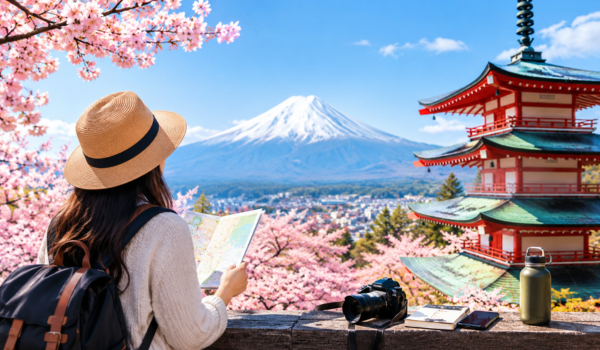
First-time visitors to Japan should get a Suica or Pasmo IC card for transport, carry cash since many places don’t accept cards, learn a few basic etiquette rules, and book popular attractions in advance. Japan is safe, clean, and efficient—but a little preparation goes a long way toward a smooth trip.
Planning your first trip to Japan can feel overwhelming. The country blends ancient temples with neon-lit cityscapes, bullet trains with quiet mountain villages, and centuries-old customs with cutting-edge technology. Where do you even start?
This guide walks you through the practical tips that matter most for first-time visitors—from getting around and handling money to understanding local etiquette and timing your visit. By the end, you’ll have a clear sense of how to prepare, what to expect, and how to avoid the common mistakes that trip up newcomers. Whether you’re headed to Tokyo, Kyoto, Osaka, or beyond, these insights will help you travel with confidence.
Why Is Japan Such a Popular Destination for First-Time International Travelers?
Japan consistently ranks among the world’s top travel destinations, and for good reason. The country offers a rare mix of safety, cleanliness, world-class public transport, and deep cultural richness. You can wander a 1,000-year-old shrine in the morning and eat at a Michelin-starred restaurant by evening.
Part of the appeal is the contrast. Tokyo pulses with energy—crowded crossings, glowing signs, and endless food options. Yet a short train ride can take you to serene gardens, hot spring towns, or snow-covered mountains. For travelers who want variety without sacrificing convenience, few places compete. If you’re the type who enjoys reading stories about ambitious builders and creators, you’ll find that Japan itself is a story of relentless craft and attention to detail—much like the profiles featured on Founder Stories.
How Should First-Time Visitors Plan Their Japan Itinerary?
The biggest mistake first-timers make is trying to see everything in one trip. Japan is larger and more varied than many expect, and rushing between cities can leave you exhausted rather than fulfilled.
For a first visit of 7 to 10 days, focus on the “Golden Route”—Tokyo, Hakone or Mount Fuji, Kyoto, and Osaka. These destinations are well connected by the Shinkansen (bullet train) and give you a strong mix of modern city life, traditional culture, and natural scenery. If you have more time, consider adding Hiroshima, Nara, or the island of Miyajima.
Build in buffer days. Jet lag is real, and giving yourself a slow first day in Tokyo helps you adjust. Plan your must-see attractions early, then leave room for spontaneous wandering—some of the best moments in Japan happen when you get pleasantly lost in a backstreet.
What’s the Best Time of Year to Visit Japan for First-Timers?
Spring (late March to April) and autumn (October to November) are the most popular seasons. Spring brings cherry blossoms, while autumn delivers stunning red and gold foliage. Both offer mild weather ideal for walking.
Summer (June to August) is hot and humid, with a rainy season in June, though it’s also festival season. Winter (December to February) is cold but excellent for skiing in Hokkaido and enjoying hot springs with fewer crowds. Choose based on what you want to experience—and book accommodation early if you’re traveling during cherry blossom season, when prices climb and rooms fill fast.
How Do You Get Around Japan as a Tourist?
Japan’s public transportation is among the best in the world, and you’ll rely on it heavily. Trains, subways, and buses run on time and reach nearly everywhere you’ll want to go.
Start by getting an IC card such as Suica or Pasmo. These rechargeable smart cards let you tap in and out of trains, subways, and buses, and you can even use them at convenience stores and vending machines. They save you from fumbling with tickets at every station.
For long-distance travel between cities, the Shinkansen is fast, comfortable, and remarkably punctual. If you plan to cover a lot of ground, look into a Japan Rail Pass, which can offer savings for tourists making multiple intercity trips. Do the math first, though—the pass isn’t always cheaper if you’re staying in one region.
Do You Need to Speak Japanese to Travel in Japan?
No, you don’t need to be fluent. In major cities and tourist areas, signs are often bilingual, and station staff are used to helping visitors. That said, English isn’t universally spoken, especially in smaller towns.
Download a translation app like Google Translate, which can translate signs and menus through your camera. Learning a handful of phrases—arigatou gozaimasu (thank you), sumimasen (excuse me/sorry), and konnichiwa (hello)—goes a long way and is genuinely appreciated by locals.
Why Should You Carry Cash in Japan?
Despite its high-tech reputation, Japan remains surprisingly cash-based. Many small restaurants, temples, local shops, and rural establishments accept only cash. Running out at the wrong moment can be a real headache.
Withdraw cash from ATMs at 7-Eleven convenience stores or Japan Post banks, which reliably accept foreign cards. Carry a coin purse, too—Japan uses coins up to 500 yen, and they add up quickly. While credit cards are increasingly accepted in hotels, department stores, and larger restaurants, never assume a place takes plastic. This is one of those practical details that separates a smooth trip from a stressful one, similar to how careful planning shapes success in travel and business alike, as often discussed on TechBullion.
What Etiquette Rules Should Tourists Know Before Visiting Japan?
Japanese culture places high value on respect, order, and consideration for others. You don’t need to master every custom, but a few key rules will help you blend in and avoid offending anyone.
- Take off your shoes when entering homes, some restaurants, temples, and traditional accommodations. Look for a genkan (entryway) and shoe racks as your cue.
- Keep quiet on trains. Talking loudly or making phone calls is considered rude. Set your phone to silent mode.
- Don’t tip. Tipping isn’t customary and can even cause confusion or offense. Excellent service is simply the standard.
- Handle chopsticks correctly. Never stick them upright in rice or pass food chopstick-to-chopstick, as both are associated with funeral rituals.
- Queue politely. Japanese people line up in an orderly fashion for trains, elevators, and shops. Follow the flow.
These small acts of awareness show respect and make your experience smoother.
Where Should First-Time Visitors Stay in Japan?
Accommodation in Japan ranges from budget capsule hotels to luxurious ryokan (traditional inns). For a first trip, mixing styles adds to the experience.
Stay in a business hotel or Airbnb in the cities for convenience and value. Then spend at least one night in a ryokan, where you’ll sleep on tatami mats, wear a yukata robe, and often enjoy a multi-course kaiseki dinner and access to an onsen (hot spring). It’s one of the most memorable ways to experience traditional hospitality.
Book early for popular areas like central Kyoto or Tokyo’s Shinjuku and Shibuya districts. Location matters—staying near a major train station saves you time and effort every single day.
What Are Common Mistakes First-Time Visitors Make in Japan?
Even well-prepared travelers slip up. Here are the mistakes to avoid:
- Over-packing the itinerary. Trying to see five cities in a week leaves you tired and rushed.
- Ignoring cash needs. Assuming cards work everywhere will leave you stuck.
- Underestimating walking. You’ll walk a lot—bring comfortable shoes.
- Skipping travel insurance. Medical care is excellent but can be costly for tourists.
- Missing the last train. Many train lines stop around midnight, and taxis are expensive.
A little foresight prevents most of these headaches. Travel writers and bloggers who cover destinations regularly, like those at Trafily, often emphasize that the smoothest trips come from balancing planning with flexibility.
How Much Does a Trip to Japan Cost for First-Time Visitors?
Japan can suit a range of budgets. A mid-range traveler should expect to spend roughly $100 to $200 per day, covering accommodation, food, transport, and activities. Budget travelers can go lower by staying in hostels, eating at convenience stores and ramen shops, and using IC cards efficiently.
Food is a great value in Japan. A bowl of ramen or a convenience store meal can cost just a few dollars, while a mid-range restaurant dinner runs $15 to $30. Transport adds up, which is why the Japan Rail Pass can help if you’re covering long distances. Accommodation is usually the biggest expense, so booking early pays off.
Final Thoughts: Preparing for a Smooth First Trip to Japan
Japan rewards travelers who prepare. Sort out your transport with an IC card, carry enough cash, respect local customs, and give yourself room to slow down and absorb the experience. The country’s blend of tradition and innovation makes it endlessly fascinating, and its safety and efficiency make it welcoming for newcomers.
Start by choosing your travel season, mapping a realistic itinerary, and booking key accommodations and attractions in advance. For more travel inspiration and destination guides to help shape your plans, resources like Mumbai Times offer plenty of ideas worth exploring. With the right preparation, your first trip to Japan will be one you remember for years.
Frequently Asked Questions
Is Japan safe for first-time tourists?
Yes. Japan is one of the safest countries in the world for travelers. Crime rates are very low, streets are clean and well-lit, and lost items are frequently returned. Standard travel precautions are still wise, but most visitors feel comfortable even walking alone at night.
Do I need a visa to visit Japan?
It depends on your nationality. Citizens of many countries, including the US, UK, Canada, and Australia, can enter Japan visa-free for short tourist stays (typically up to 90 days). Always check the latest entry requirements for your specific passport before traveling.
How many days do you need in Japan for a first visit?
A first trip of 7 to 10 days is ideal. This gives you enough time to explore Tokyo, Kyoto, and Osaka along the popular Golden Route without feeling rushed. If you have less time, focus on one or two cities rather than trying to cover the whole country.
Can you drink tap water in Japan?
Yes. Tap water in Japan is safe to drink throughout the country. You can refill your water bottle freely, which helps save money and reduce plastic waste.
What should I pack for a trip to Japan?
Pack comfortable walking shoes, weather-appropriate clothing, a portable Wi-Fi device or SIM card, a coin purse for cash, and any personal medications. If you visit temples or ryokan, slip-on shoes make it easier to remove them when required.
