

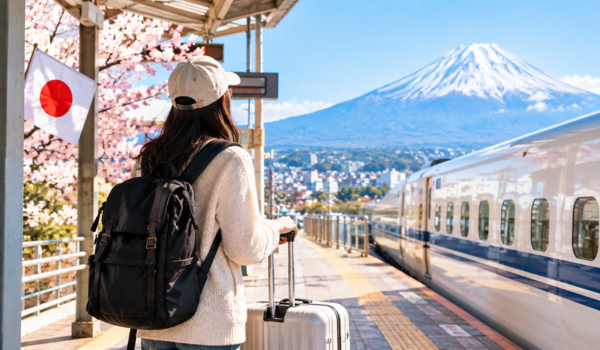
Before moving to Japan, you’ll need the right visa, proof of funds, and a resident registration plan. Expect to navigate a cash-friendly culture, strict recycling rules, a language barrier, and high upfront housing costs. Learning basic Japanese and understanding local etiquette will make your transition far smoother.
Relocating to Japan is one of the most rewarding decisions you can make—but it comes with a learning curve that catches many newcomers off guard. From securing the correct visa to understanding why your apartment might require several months’ rent upfront, the details matter. Japan runs on precision, politeness, and systems that reward preparation.
This guide walks through the practical, cultural, and financial realities of settling into life in Japan. Whether you’re arriving on a work visa, joining as a student, or planning a long-term stay, you’ll find the essentials here. For students specifically navigating entry requirements, the recently updated Japan Student Visa Rules 2026 are worth reviewing before you book any flights.
Let’s break down what actually shapes daily life once you arrive.
What Visa and Legal Requirements Do You Need Before Moving to Japan?
Japan does not allow long-term stays without a valid status of residence. Your visa type determines nearly everything—how long you can stay, whether you can work, and what documents you’ll file after arrival.
The most common categories include the Work visa (sponsored by an employer), the Student visa, the Highly Skilled Professional visa, and the Spouse visa. Each requires a Certificate of Eligibility (COE), which your sponsor in Japan typically applies for on your behalf before you submit your visa application at a Japanese embassy or consulate.
Once you land, you have 14 days to register your address at your local municipal office and obtain your Residence Card (Zairyu Card). This card is your primary form of identification, and you’re legally required to carry it at all times. Skipping this step can create serious problems with everything from opening a bank account to signing a phone contract.
How Much Money Do You Need to Move to Japan Comfortably?
Japan rewards financial preparation. Housing alone can demand a significant upfront sum that surprises first-time expats.
When renting an apartment, you’ll often face a combination of key money (a non-refundable gift to the landlord), a security deposit, agency fees, and the first month’s rent. Together, these can total four to six months’ rent before you even move in. In major cities like Tokyo or Osaka, that adds up quickly.
Here’s a realistic breakdown of common initial costs:
- Key money: One to two months’ rent (often non-refundable)
- Security deposit: One to two months’ rent
- Agency fee: Roughly one month’s rent
- First month’s rent: Paid in advance
- Furniture and appliances: Most rentals come unfurnished
Beyond housing, budget for a health insurance enrollment, transportation passes, and daily living expenses. Enrolling in Japan’s National Health Insurance is mandatory for most residents, and it covers roughly 70% of medical costs—a genuine advantage once you’re set up.
Why Is Japan Still Such a Cash-Based Society?
Despite its reputation for cutting-edge technology, Japan remains surprisingly attached to physical cash. Many small restaurants, local shops, and even some clinics do not accept credit cards.
Carry cash daily. ATMs at convenience stores like 7-Eleven and Japan Post Bank are reliable for international cards, though not every machine accepts foreign cards around the clock. IC cards such as Suica and Pasmo—rechargeable transit cards—also work for small purchases at vending machines and convenience stores, which helps reduce how much loose change you carry.
Contactless payment is growing through apps like PayPay, but cash still rules in many everyday situations. Assuming your card will always work is one of the fastest ways to get stuck at a register.
What Cultural Etiquette Should Newcomers Learn Before Arriving?
Japanese social life runs on unspoken rules, and respecting them signals that you’ve made an effort to belong. Small gestures carry real weight.
A few habits worth adopting early:
- Remove your shoes when entering homes, certain restaurants, temples, and some traditional accommodations.
- Keep quiet on trains. Phone calls are frowned upon, and conversations stay low.
- Don’t tip. Tipping is not customary and can cause confusion or even offense.
- Bow as a greeting. A slight bow shows respect in most situations.
- Handle business cards with care. Receive them with both hands and take a moment to read them.
Sorting your trash correctly also matters more than most newcomers expect. Japanese municipalities enforce strict recycling rules, separating burnable, non-burnable, and recyclable waste—sometimes on specific collection days. Getting this wrong can strain relationships with neighbors fast.
How Difficult Is the Language Barrier in Everyday Life?
English is not widely spoken outside major tourist areas and international companies. Signage in large cities often includes English, but paperwork, local government offices, and rural areas can be challenging without some Japanese.
Learning hiragana and katakana before you arrive gives you a meaningful head start. These two phonetic writing systems help you read menus, station names, and basic labels. Adding a handful of essential phrases—greetings, directions, and polite requests—goes a long way in daily interactions.
Translation apps like Google Translate help in a pinch, especially with the camera feature for reading kanji on documents. Still, don’t rely on technology alone for important matters like medical appointments or contracts. If you’re weighing whether to invest time in the language, this piece on how to develop a positive mindset offers a useful frame for staying patient through the inevitable frustrations of learning a new system.
What Is Housing and Daily Life Actually Like in Japan?
Apartments in Japan tend to be compact, especially in dense urban centers. Efficient use of space is the norm, and storage often requires creativity.
Public transportation is one of Japan’s greatest strengths. Trains and subways are punctual, clean, and extensive—many residents never need a car. The rail network connects cities so reliably that living without a vehicle is genuinely practical, even outside metropolitan areas.
Convenience stores, known locally as konbini, are woven into daily routines. They offer far more than snacks: bill payment, package pickup, ATM access, ticket purchases, and surprisingly good meals. For newcomers, konbini become an unexpected lifeline during the settling-in period.
Seasonal awareness matters too. Japan experiences four distinct seasons, with humid summers, a rainy season in early summer, and cold winters in the north. Many homes lack central heating, relying instead on air conditioning units and space heaters, so factor that into your comfort planning.
Who Should Consider Moving to Japan, and Who Might Struggle?
Japan suits people who value order, safety, and public infrastructure. Choose Japan if a low crime rate, excellent transportation, and rich cultural depth matter more to you than fast bureaucracy or effortless English communication.
Those who thrive tend to be adaptable, patient with paperwork, and open to learning at least basic Japanese. People who struggle often expect Western-style customer flexibility, resist local etiquette, or underestimate the upfront financial commitment.
If you’re relocating for career reasons, it helps to study how professionals build resilience and momentum in new environments. Founder-focused resources like the profiles at Founder Stories illustrate how adaptability drives long-term success—a mindset that transfers well to expat life. For broader relocation planning and travel logistics across Asia, Trafily covers education and lifestyle topics relevant to newcomers building a life abroad.
Final Thoughts on Preparing for Your Move to Japan
Moving to Japan is far less overwhelming when you plan ahead. Secure the correct visa, prepare for high upfront housing costs, carry cash, and take time to learn the cultural rhythms that shape daily life. The country rewards those who respect its systems and approach the transition with patience.
Start with the paperwork, budget generously for your first few months, and commit to learning even a little of the language. Each small step compounds into a smoother, richer experience once you’re settled.
Your next move: confirm your visa category, calculate your relocation budget, and download a translation app before departure. Preparation is what turns a daunting relocation into an exciting new chapter.
Frequently Asked Questions
How much money should I save before moving to Japan?
Aim to have at least four to six months’ rent available for housing costs alone, plus additional funds for furniture, insurance, transportation, and daily living. In cities like Tokyo, many expats recommend arriving with the equivalent of several thousand US dollars to cover the settling-in period comfortably.
Do I need to speak Japanese to live in Japan?
You can survive in major cities with limited Japanese, but daily life is significantly easier if you learn the basics. Government offices, contracts, and rural areas often lack English support, so learning hiragana, katakana, and essential phrases is strongly recommended.
How long does it take to get a Japanese visa?
Processing times vary by visa type, but obtaining a Certificate of Eligibility can take one to three months, followed by the visa application itself, which typically takes a few days to a couple of weeks. Start the process well before your intended move date.
Is Japan a safe place to live?
Yes. Japan consistently ranks among the safest countries in the world, with low crime rates and reliable public services. Many residents feel comfortable walking alone at night and using public transportation at all hours.
What is key money, and why do I have to pay it?
Key money is a non-refundable payment made to the landlord as a kind of gift when signing a lease. It’s a traditional practice in Japan, though some newer rentals and foreigner-friendly agencies now waive it. Always confirm this cost before committing to an apartment.
